Canada’s 2026 Immigration: Draws & Changes
Canada Immigration Update: Faster Processing, Targeted Draws, and Policy Changes in February 2026
As Canada continues to fine-tune its immigration framework in response to labor shortages and economic pressures, February 2026 is shaping up to be an active month. Recent announcements point to a combination of improved processing efficiencies, focused invitation rounds, and preparations for regulatory changes ahead. Below is a snapshot of the most significant immigration developments impacting prospective newcomers this month.
Express Entry Focuses on Francophone Talent
On February 6, Immigration, Refugees and Citizenship Canada held Express Entry Draw #394, issuing 8,500 Invitations to Apply (ITAs) to candidates with strong French-language skills. The draw set a minimum Comprehensive Ranking System (CRS) score of 400, reinforcing the federal government’s continued commitment to strengthening francophone communities outside Quebec.
This large-scale draw reflects broader Express Entry trends, where high invitation volumes—particularly under experience-based and category-focused streams—are reshaping CRS dynamics. Industry observers expect further draws in February, with the possibility of lower thresholds in select categories.
Processing Times Improve Selectively
IRCC’s processing time update released on February 12 shows uneven but encouraging progress. While some streams continue to face delays, others have benefited from targeted backlog reduction efforts. Citizenship applications and certain work permit categories saw faster turnaround times, especially after the launch of a new priority lane on February 1 for employer-specific permits in essential sectors such as health care and agriculture.
| Category | Median Processing Time | Month-over-Month Change |
|---|---|---|
| Citizenship Grants | 10 months | Down 1 month |
| Express Entry (CEC) | 5 months | No change |
| Employer-Specific Work Permits | 3–6 months | Faster for priority roles |
| PR Cards | 45 days | Slightly longer |
Overall, the data highlights IRCC’s efforts to balance efficiency with a growing volume of applications, though applicants are still advised to plan for variability.
Ontario Expands PNP Capacity and Readies New Regulations
Ontario has confirmed a higher provincial nomination allocation for 2026, exceeding last year’s quota as part of its strategy to attract skilled workers. At the same time, the province is preparing to implement six new laws and compliance deadlines this February, some of which affect immigration timelines and employer obligations.
Among the key changes are strengthened reporting requirements for temporary residents, which may influence how employers and applicants manage ongoing compliance.
Permit Expiries Drive Demand for Legal Guidance
With more than 1.4 million temporary work permits expected to expire in 2026, immigration professionals across the country are seeing a sharp rise in consultations. In Kelowna, law firms such as Pushor Mitchell report a steady influx of inquiries from individuals seeking extensions or pathways to permanent residence.
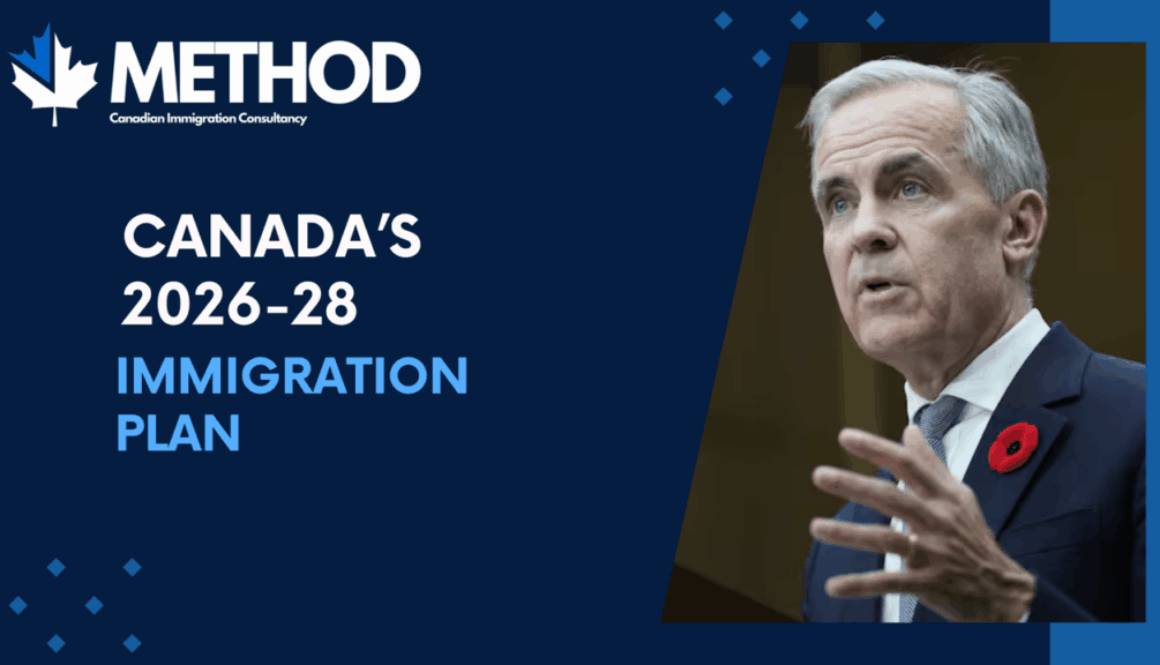
These concerns align with broader policy adjustments under Canada’s 2026–2028 Immigration Levels Plan, which caps temporary resident arrivals at 385,000 this year while maintaining a permanent resident target of 380,000. Despite online speculation, open work permits continue under programs like International Experience Canada.
New Digital Visa Rules Take Effect
Applications submitted in 2026 are now subject to updated visa requirements emphasizing digital submission, biometric verification, and enhanced compliance monitoring. While designed to strengthen system integrity and security, these measures mean applicants must pay closer attention to documentation and timelines to avoid refusals.
What to Expect Next
With more Express Entry draws and provincial updates anticipated later this month, applicants should stay informed and seek personalized guidance from a Registered Canadian Immigration Consultant (RCIC) or official IRCC channels.

 Email: admin@method-immigration.com
 Phone: +1 604-618-4156
 Book online: